The private sector is development’s most underused engine.
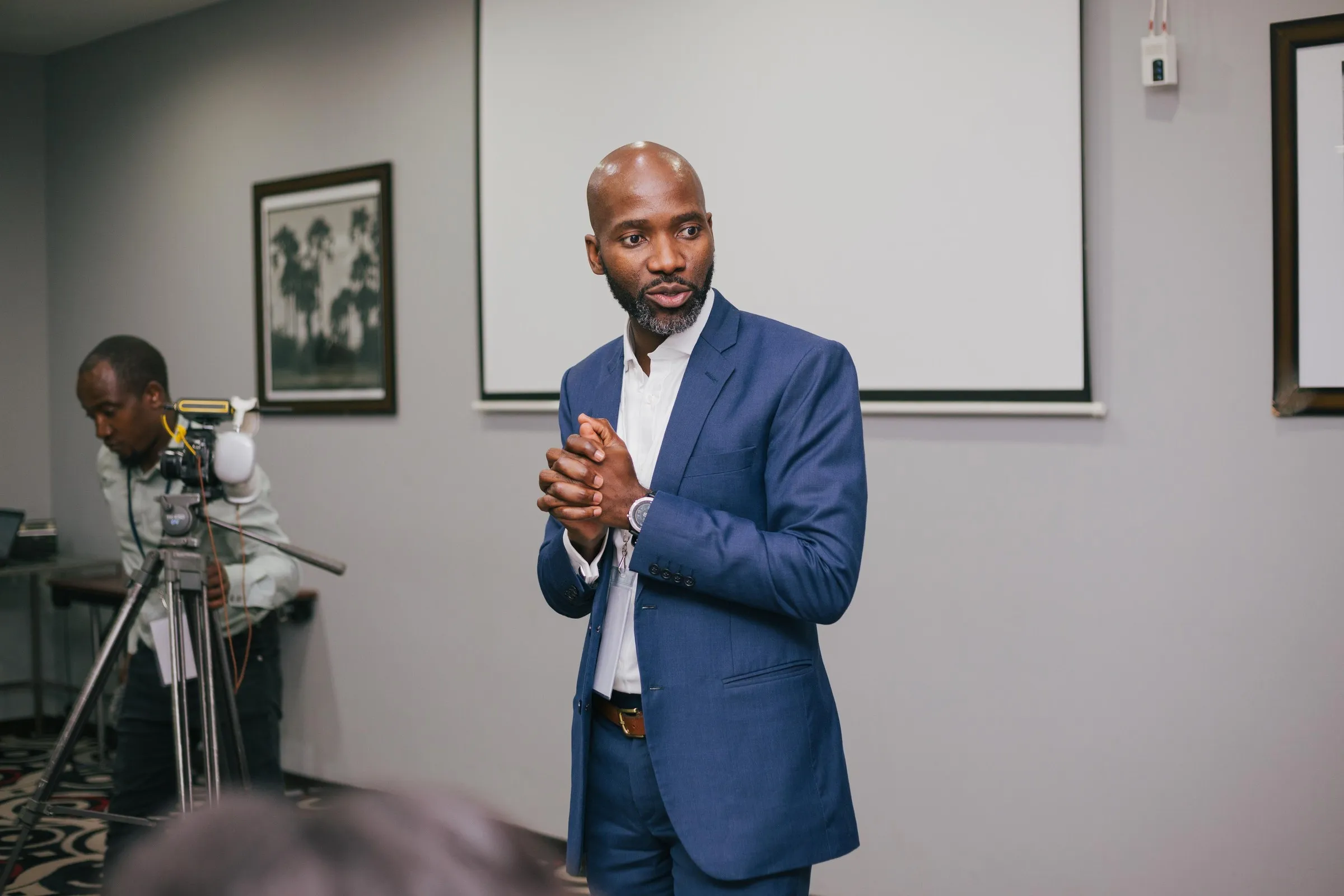
I’m Evans Chinembiri. For sixteen years I have worked in the gap between what policy says and what investors and farmers actually experience across Southern Africa.
I write about that gap. The Baobab Observer is where I think it through in public.
Partners
- World Bank
- USAID
- Tetra Tech
- North-West University
01 / Writing
-
Trade & Markets
The Preference That Was Already There
Of the 9,670 tariff lines carrying AGOA's symbol, 8,978 also carry the symbol for the Generalized System of Preferences. Outside apparel, what AGOA added was security of access rather than access. Then GSP expired on the last day of 2020 and never came back, and AGOA's legal reach grew close to fourfold overnight, with not a word of AGOA amended and no trade strategy anywhere revised, ours included.
-
Trade & Markets
The Requirement
South Africa's component industry was built behind a local-content requirement that ran from 1961 to 1995. The democratic government abolished it in its second year and replaced it with export credits. For the past decade the share of the vehicle made here has sat at about two fifths. AGOA arrived five years after the rule ended and supplied one market among several, which is why losing 65% of American sales in 2025 did not close the plants.
-
Trade & Markets
Right About the Wrong Sector
The standard account of why AGOA underdelivered says the preference was there and African firms could not reach it. Against the duty American customs actually collected, it holds for most of the schedule and fails for apparel, in the six economies of thirty-two that have an apparel industry. Those six carried about two thirds of the value, and the assistance was aimed at the lines where the value wasn't.
02 / The Book
Forthcoming · April 2027
Africa Was Never Waiting: The End of USAID and What Comes Next
Africa was a market the world insisted on treating as a beneficiary.
A reformer’s analysis of the end of USAID and what it means for Africa, written from inside the African development system. It is not a defence of the agency and not a celebration of its shutdown. It holds both truths at once: the dismantlers were right about a real problem and wrong about the solution, and the sector defended USAID too long without confronting what was broken.
Self-published, available on Amazon. Publication 4 April 2027. Pre-order opens early 2027.
03 / About
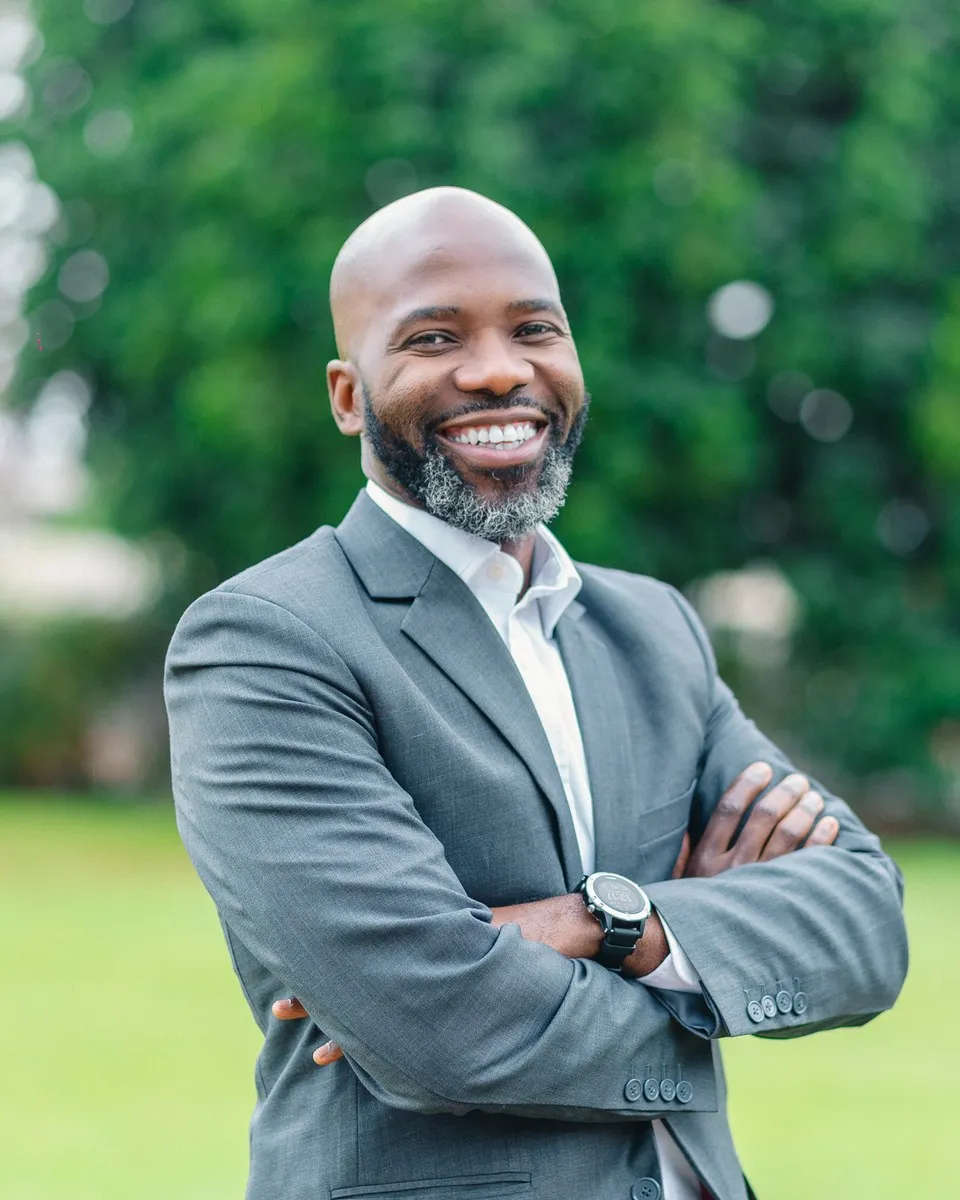
I have spent sixteen years inside the Southern African development system, on every side of it. Six years on staff at USAID Southern Africa in Pretoria, managing a US$100 million trade and investment portfolio across the SADC region. Five years implementing donor-funded projects with partners across twelve Southern and Central African countries. Then Lusaka, co-leading the launch of the Water and Soil Accelerator at IWMI, part of the CGIAR research consortium.
I have chaired regional policy clusters that shape entire sectors. Colleagues describe me as a bridge-builder, someone who can speak the language of economists, investors, policymakers, and entrepreneurs.
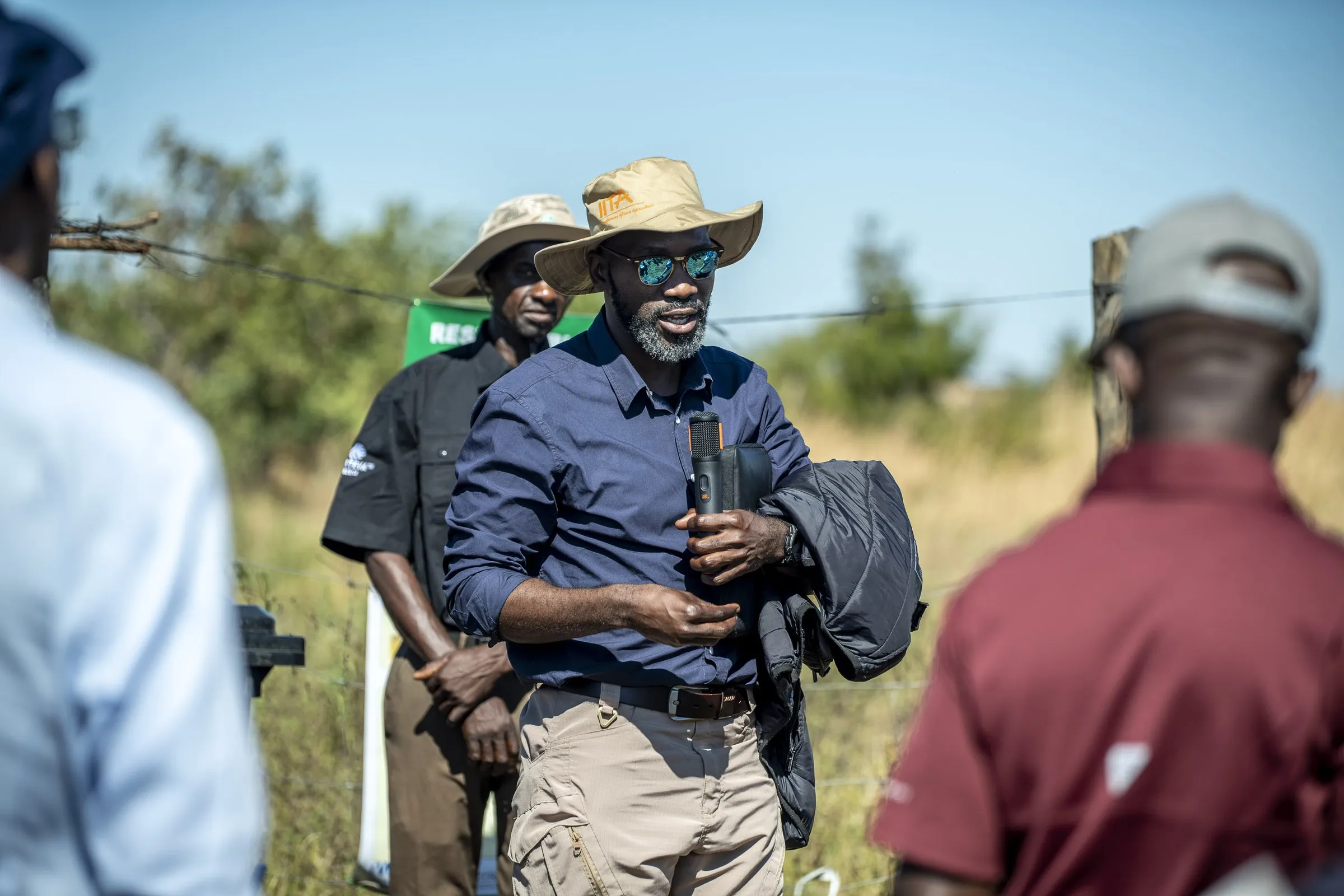
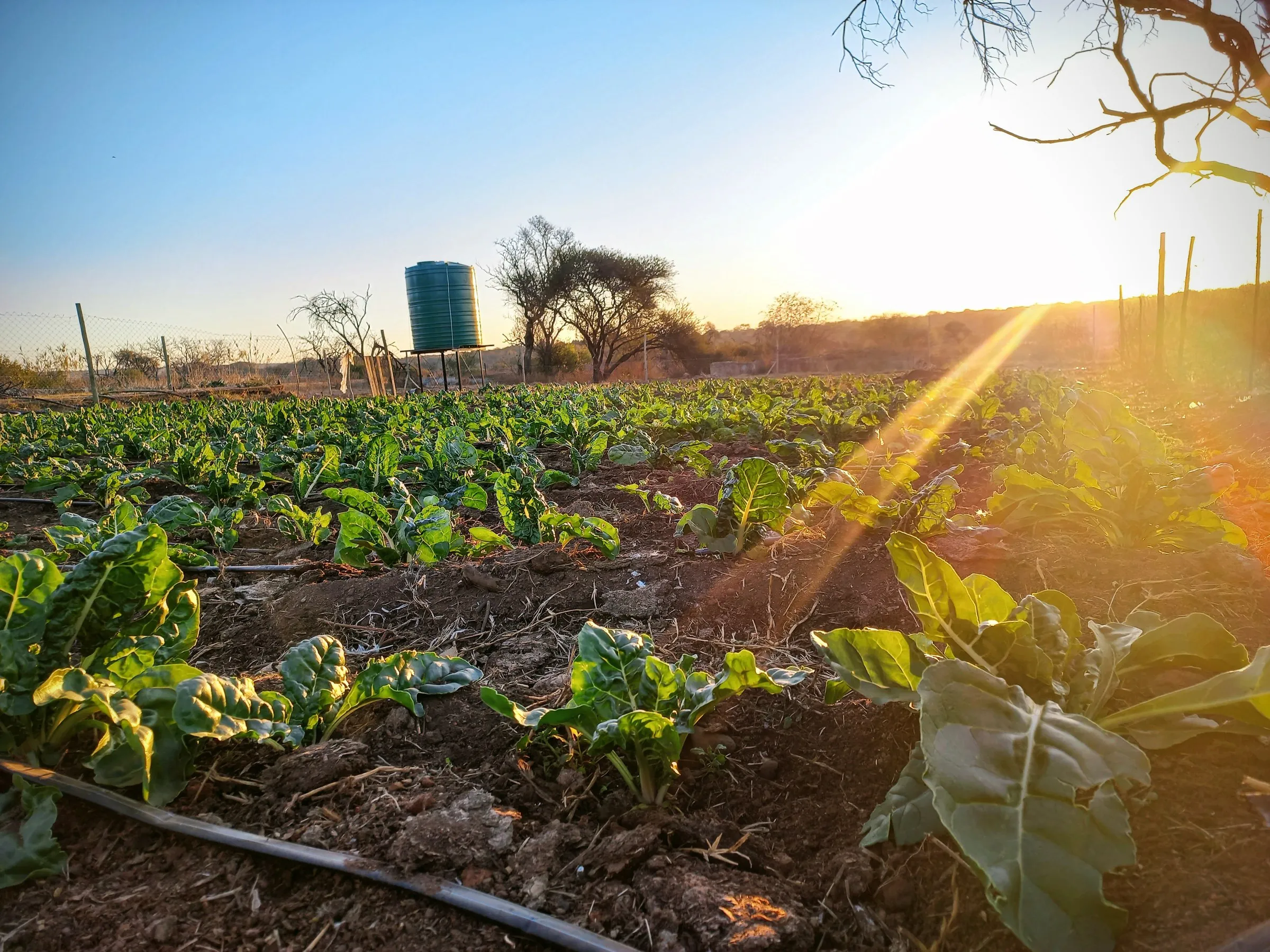
I write from between Lagos, Lusaka and Pretoria. My ongoing research at North-West University looks at how smallholder farmers actually adopt climate-smart agriculture.
Away from the desk I run long. I finished the Comrades Marathon in 2019, the 89 kilometre up run from Durban to Pietermaritzburg, and my half marathon best is 1:32. The Ironman is still outstanding.
If you are working to unlock markets or drive inclusive growth in Southern Africa, tell me about it.
04 / Working Together
-
Private Sector Development Advisory
Market systems that pull SMEs upward.
I design market-led interventions that grow enterprises, unlock private investment, and strengthen the value chains donors and governments are trying to build.
-
Investment Climate and Regulatory Reform
Reform that gets implemented, not just adopted.
I help governments and donors build the public and private consensus that moves a reform from the statute book to the customs desk.
-
Programme and Portfolio Leadership
Complex programmes that stay on strategy and on budget.
I provide end-to-end oversight of multi-country portfolios above US$100M, holding both strategic direction and fiduciary discipline.
-
Capital Mobilisation and SME Readiness
Enterprises ready for capital, and capital ready for them.
I prepare SMEs to become investment-ready and structure the de-risking instruments that bring private money to the table.
05 / Selected Work
-
World Bank
Scaling Climate-Smart Agriculture
Led strategic planning and de-risking mechanisms for regional agribusiness adaptation across Southern Africa.
-
USAID
SADC Seed Trade Harmonisation
Negotiated reforms across Southern Africa to reduce non-tariff barriers and enable cross-border seed trade.
-
Tetra Tech
Mobilising US$7.5M for Water, Energy and Food SMEs
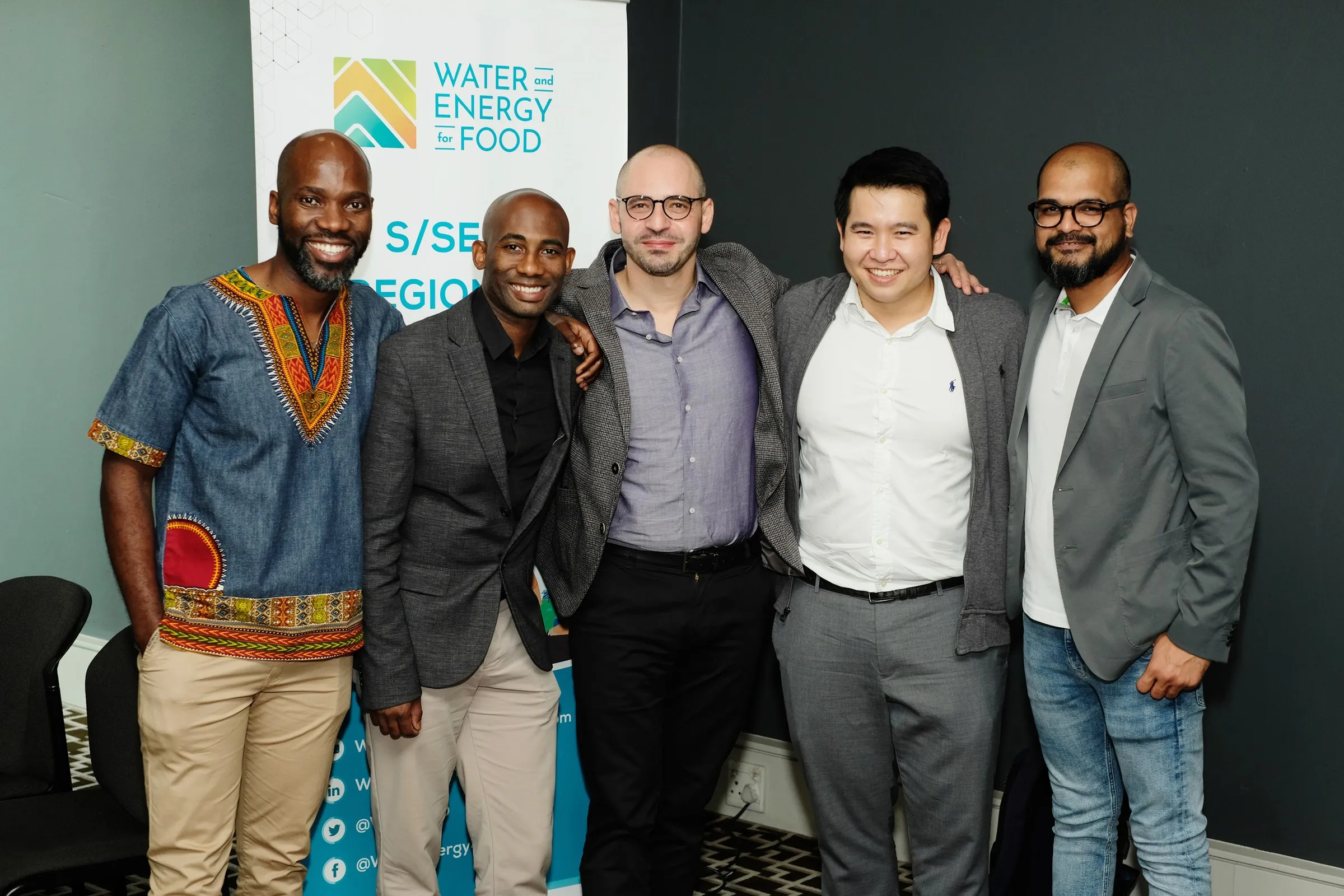
Directed a regional innovation hub across 12 countries, supporting 23 SMEs reaching 500,000 farmers.
06 / Gallery

07 / Contact
If you are working on a programme, a reform, or an investment challenge in Southern Africa, tell me about it. A few lines is enough to start.